

By Victoria Healthcare06 July 2022
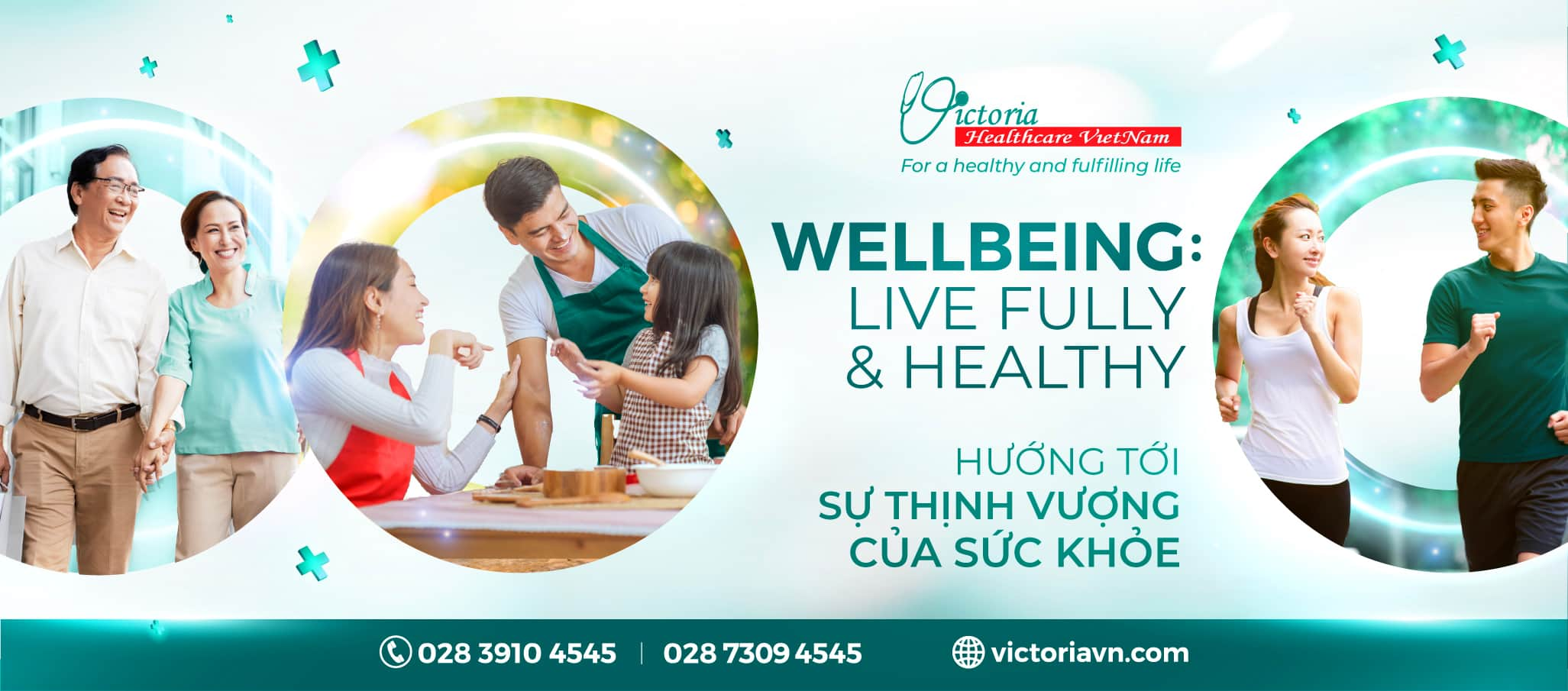
WELLNESS - FOR A HEALTHY AND FULFILLING LIFE
“Wellness is a state of complete physical, mental, and social well-being, and not merely the absence of disease...


Provide personal and business healthcare services with supportive utilities.

Skill and experience local and foreign physicians have frequent over-sea training.

Patients may view, save and copy their clinical results. They may also consult their doctors on-line.

This is a place to update monthly event and news of Victoria Healthcare.

Who We Are
To be the Standard
in Healthcare for Vietnam.
To provide quality medical services
with compassion at affordable prices to the people of Vietnam.
Caring for patient is our commitment and values.
To keep up that spirit and culture, we have our doctors and medical staff trained about “Team-based-care” and commit to:
Continuous Quality Improvement process
Advanced and updated healthcare technologies and knowledge
Respectful care: Promote patient-centered- team based care
Efficient treatment through evidence-based- medical practice
FROM THE BLOG
By Victoria Healthcare06 July 2022

By Victoria Healthcare16 June 2021

By Victoria Healthcare03 March 2020
By Victoria Healthcare11 July 2019
By Victoria Healthcare13 May 2019
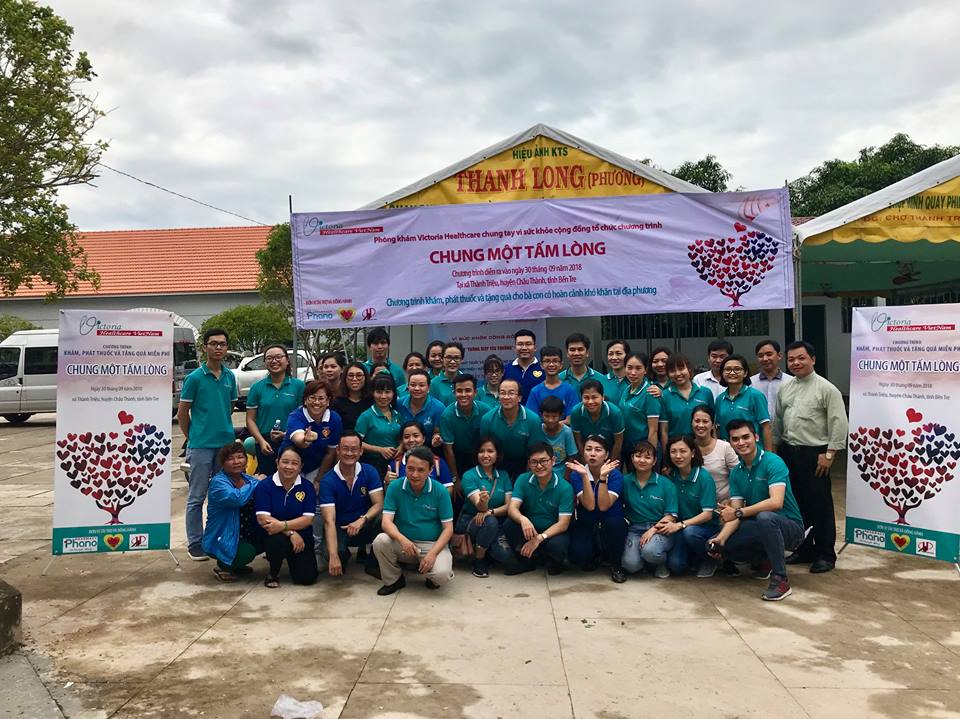
By Victoria Healthcare13 May 2019
By Victoria Healthcare13 May 2019

By Victoria Healthcare13 May 2019
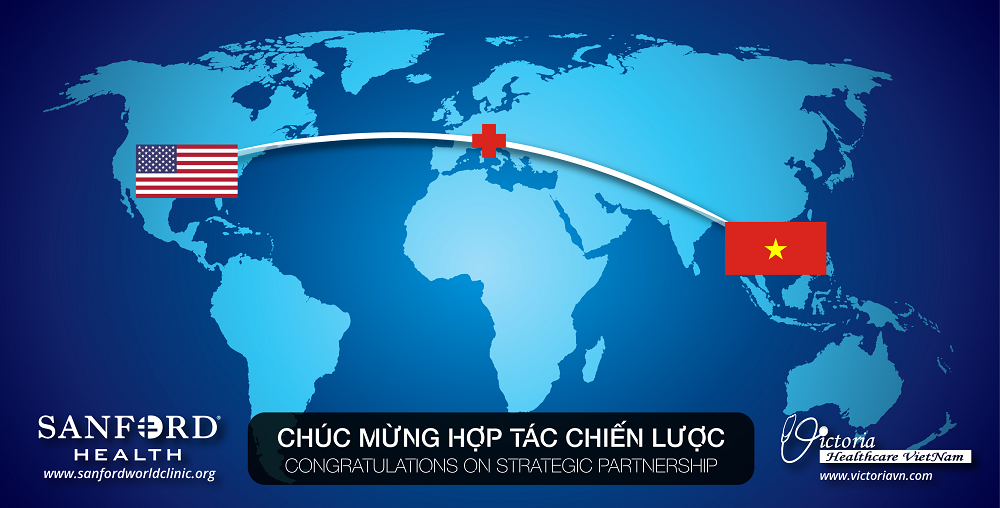
By Victoria Healthcare13 May 2019